
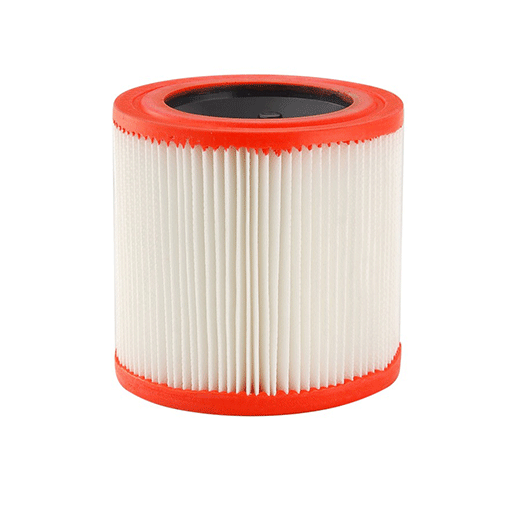
You see the term "HEPA" stamped on premium vacuum cleaners, air purifiers, and even hospital ventilation systems. But is it just a marketing buzzword, or is it a crucial feature for your home hygiene?
What Does HEPA Mean?
HEPA stands for High Efficiency Particulate Air. It is not a brand; it is a strict standard of filtration. To qualify as a true HEPA filter, it must be capable of trapping at least 99.97% of particles that are 0.3 microns in diameter.
Why 0.3 Microns?
This specific size is used as the benchmark because it represents the "most penetrating particle size"—the size most difficult for filters to catch. Particles larger than this (like heavy dust) crash into the filter fibers, and particles smaller than this (like viruses) get trapped by diffusion. 0.3 microns includes worst-offending allergens like:
- Fine Dust Mite Debris
- Pet Dander
- Pollen
- Tobacco Smoke Particles
- Mold Spores
Do You Need One?
If you use a standard vacuum without HEPA filtration, you might be cleaning your floors but polluting your air. Standard vacuums often suck up fine dust and then blow the microscopic particles right back out of the exhaust vent. This can trigger asthma attacks and allergic reactions.
If anyone in your home suffers from allergies, asthma, or if you have pets, a HEPA filter is not a luxury—it is a necessity. It ensures that the dirt stays in the machine, leaving your air cleaner than before you started.
Heugor's Promise
At Heugor, we take your health seriously. That is why our advanced vacuum models come equipped with certified HEPA filtration systems, ensuring that your home is not just visually clean, but scientifically clean.